
What is the Success Rate of Wisdom Teeth Removal?
January 29, 2026
What is the Success Rate of Root Canal Treatments?
January 29, 2026


Dental implants are one of the most reliable treatments in modern dentistry. But still, many patients are often concerned about the success rate of dental implants and whether they truly last. The short answer is yes, when done correctly, dental implants have an excellent track record.
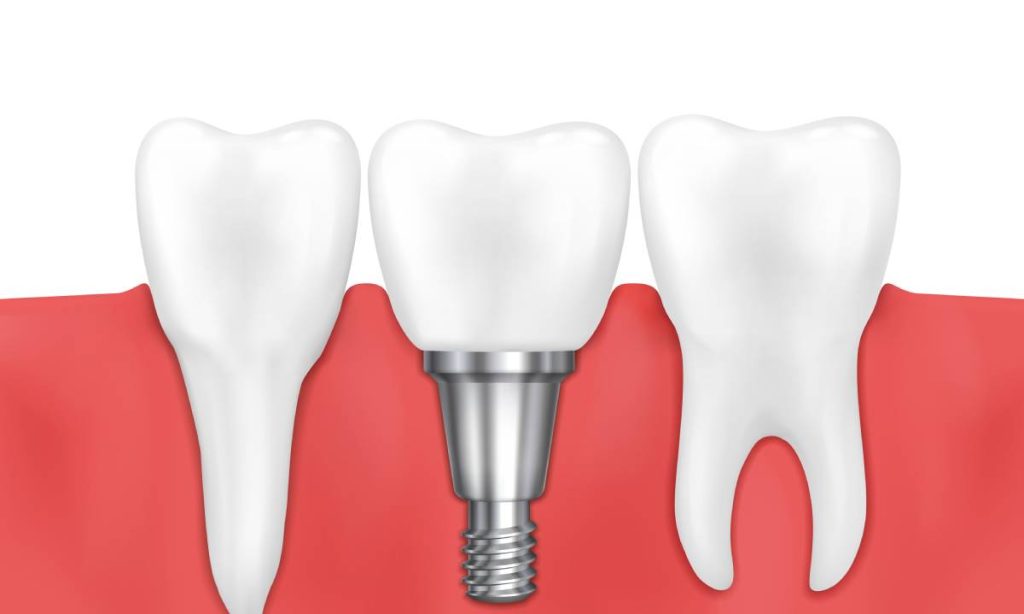
Dental implants replace missing teeth by bonding with the jawbone through a process called osseointegration. This creates a strong, stable foundation that looks, feels, and functions like a natural tooth. Factors like bone health, oral hygiene, and overall health all affect long-term outcomes. When patients ask about the success rate of dental implants in Avondale, AZ, science provides clear, reassuring data.
Table of Contents
ToggleFirst of all, success means the implant stays stable, supports a crown, and causes no pain or infection. On average, modern dental implants have a success rate of 95% to 98% in healthy patients. This rate is achieved consistently by decades of clinical research.
Below is a breakdown of implant success rates in different situations:
| Situation | Average Success Rate |
| Overall dental implant success rate | 95%–98% |
| Dental implant success rate for smokers | 85%–90% |
| Front tooth dental implant success rate | 96%–98% |
| Lower jaw implants | Up to 98% |
| Upper jaw implants | 90%–95% |
| Implants with bone grafting | 90%–95% |
| All-on-4 dental implants | 94%–97% |
Even in complex cases, the success rate of dental implants in Avondale remains high when proper planning and advanced technology are used. If you want precise treatment, expert planning, and results you can trust, visit Desert Lake Family Dentistry and let our team design the right implant solution for you.
Several clinical and lifestyle factors directly affect the success rate of dental implants:
See our guide on Full Mouth Reconstruction Avondale
While rare, complications can affect the success rate of dental implants if not addressed early:
To keep the success rate of dental implants in Avondale up, precise steps must be followed:
At Desert Lake Family Dentistry, dental implants are led by Dr. Shayegan, DMD, FICOI, an experienced and compassionate dentist in Avondale, AZ, with advanced training in implant and restorative care. Graduated from Tufts University School of Dental Medicine, Dr. Shayegan uses state-of-the-art diagnostics, digital imaging, and evidence-based techniques to deliver predictable, long-term implant success. From single dental implants to full-arch solutions, he plans every treatment carefully for your comfort, safety, and lasting results.
Join hundreds of patients who trust Desert Lake Family Dentistry, rated 4.8 stars on Google for expert implant care and gentle treatment. Call 623-388-5888 or visit us at 10750 W McDowell Rd, Avondale, AZ to schedule your implant consultation and get clear answers about your options, cost, and long-term success.
Yes. The success rate of dental implants is between 95% and 98% in healthy patients.
Studies show a 94% to 96% success rate after 10 years.
Long-term data reports a 90% to 94% success rate after 20 years.
Clinical studies show implants can maintain an 85% to 90% success rate after 30 years with proper care.
The failure rate is low, averaging 2% to 5%, depending on health and habits.
Dental implants in Avondale, AZ, are designed to be long-term and often lifelong, but they require proper care and regular dental visits.