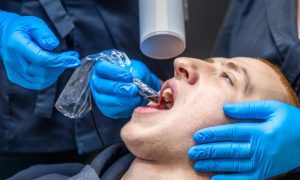


Some people with hemophilia feel nervous about going to the dentist. They worry that even a small procedure might lead to bleeding that is hard to stop. Many skip regular checkups because of this fear. Over time, small dental issues turn into serious problems like infections or gum disease. This article explains everything you need to know about safe and proper dental care for people with hemophilia in Avondale.
Table of Contents
ToggleWhy People with Hemophilia Need Special Dental Care?
People with hemophilia face extra risks during dental treatment. They need special care to stay safe and avoid serious problems. Below are the main reasons why people with hemophilia need special dental care:
- Their blood does not clot well, so bleeding can last longer than normal.
- Dental work can cause gum bleeding, even during simple cleanings.
- A small cut in the mouth can become dangerous if bleeding does not stop.
- Some people need medicine before dental visits to help prevent bleeding.
- Not every dentist knows how to treat patients with hemophilia safely.
- Dental treatment must be planned carefully to avoid injury and bleeding.
Dental Services for Hemophilia Patients
People with hemophilia need special steps during dental visits to stay safe. The dentist must plan carefully and avoid anything that may cause bleeding. Below are the services that help provide safe dental care for people with hemophilia in Avondale.
Bleeding Risk Assessments
Before treatment, the dentist asks about the type of hemophilia, past bleeding, and any medicine the patient takes. They check the teeth and gums for problems or infection. If there is a high risk of bleeding, the dentist talks to the patient’s doctor. The dentist may change or delay the treatment to make it safer. This step helps plan the right care from the start.
Laser Dentistry Minimizes Bleeding
Dentists use laser tools for some treatments. Lasers make small cuts and help stop bleeding at the same time. This helps the mouth heal faster. Dentists use lasers to treat gums and clean around the teeth. Laser treatment is safer for people with hemophilia because it causes less harm and gives more control.
Pre-treatment with Clotting Factor Medications
Some people need medicine before dental treatment. The dentist works with the hematologist to arrange clotting factor infusions if needed. These medicines help the blood clot during and after the procedure. The visit is planned after the medicine is given to lower bleeding risk and help healing.
Non-invasive Fillings and Restorations
Dentists try not to use drills for people with hemophilia. They use gentle tools like air abrasion to clean out the decay. This avoids touching the gums and lowers the chance of bleeding. They fill the tooth with strong, tooth-colored material that lasts a long time. This helps fix the tooth safely without causing harm.
Careful Tooth Extractions
If a tooth needs to come out, the dentist prepares everything carefully. The dentist may give medicine before the visit to help with clotting. During the procedure, the dentist removes the tooth slowly and gently to avoid bleeding. The dentist uses special tools to stop the bleeding quickly. After a tooth extraction in Avondale, the dentist gives clear instructions for home care. The dentist also checks healing during a follow-up visit.


What to Expect During a Dental Visit with Hemophilia
During a dental visit for a person with hemophilia, the dental team does the following:
- Review the medical history before starting.
- Contact the hematologist if more details are needed.
- Explain each step of the treatment clearly.
- Use tools and methods that lower the chance of bleeding.
- Take extra time to keep the procedure safe and calm.
- Check the healing process after the treatment.
- Make sure the patient feels safe and informed at every stage.
How Can Patients with Hemophilia Prevent Dental Complications?
Follow these simple steps to prevent dental problems if you have hemophilia:
- Brush your teeth gently twice a day with a soft toothbrush.
- Floss carefully to keep gums clean without causing bleeding.
- Rinse your mouth with a mild, alcohol-free mouthwash.
- Eat less sugar to protect your teeth from decay.
- Avoid hard or sticky foods that can damage teeth or gums.
- Visit the best dental clinic in Avondale regularly for cleanings and checkups.
- Treat small problems early to stop them from becoming serious.
Final Thoughts
People with hemophilia need extra care when it comes to dental health. The risk of bleeding makes it important to choose a dental office that understands this condition. Proper planning, clear communication, and safe methods help reduce risks during treatment. Dentists may work with your doctor, use gentle tools, and follow careful steps during each visit. This approach helps protect your teeth and lowers the chance of serious dental problems.
FAQs
Yes, if the dental team plans the treatment properly and uses the right tools, it is safe.
The dentist must check your medical history, speak with your doctor, avoid deep cuts, and control bleeding during and after treatment.
Yes, you must always share your condition before your appointment so the team can prepare.
Yes, cleaning can cause bleeding, especially if the gums are inflamed. Dentists must take extra care.
Tooth extractions, deep cleanings, and oral surgeries carry a higher bleeding risk.
Yes, some people may need clotting factor treatment or other medicine before dental work.
Brush gently twice a day, floss carefully, eat healthy foods, and visit your dentist regularly for checkups.