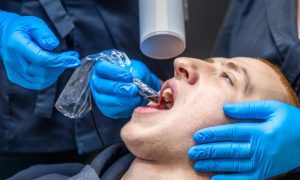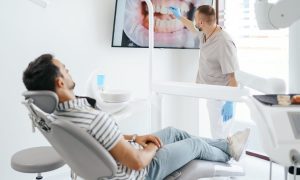


Cancer can also affect your mouth, especially during treatment. Many people feel pain, dryness, swelling, or bleeding in their gums, which can make it harder to eat, talk, or rest. These problems can be stressful, but good dental care can help prevent them or make them easier to manage. In this article, we explain how to care for your mouth before, during, and after cancer treatment.
Table of Contents
ToggleHow Cancer Treatments Impact Oral Health
Cancer treatments like chemotherapy and radiation can make the body weak and slow down healing. These treatments can also harm healthy parts of the mouth. The mouth may become dry because the body makes less saliva.
Saliva helps clean the mouth and protect the teeth. Without it, germs grow faster and cause more problems. The soft parts of the mouth, like the cheeks, gums, and tongue, can become sore or swollen. These changes make it easier to get mouth sores, infections, tooth decay, and gum disease during treatment.
Dental Care Before Cancer Treatment
A dental checkup in Avondale before cancer treatment helps protect your mouth and lower future risks. The dentist checks your teeth and gums and treats problems early, before treatment begins. Here’s what dentists do before the cancer treatment:
- Find cavities or gum disease early to stop pain and infection.
- Treat infections before treatment to lower the risk of serious problems.
- Clean the teeth to remove harmful bacteria from the mouth.
- Apply fluoride to make the teeth stronger and prevent decay.
- Remove badly damaged teeth to avoid infection during treatment.
- Explain simple home care steps to help keep the mouth clean and healthy.
How to Manage Oral Side Effects During Cancer Treatment
Cancer treatment can cause problems in the mouth. You may feel pain, dryness, or soreness. These issues can make eating and talking harder. Below, we explain how to manage each one simply and safely. With the right care, you can protect your mouth and feel more comfortable.


Mouth Sores & Mucositis
Mouth sores often appear during cancer treatment. You may see them on your cheeks, lips, tongue, or throat. They look red or white and feel very painful. Use a safe mouth rinse and keep your mouth clean to help them heal. Eat soft foods that do not hurt the sores. With the right care, the sores heal faster and cause less pain.
Dry Mouth
Some cancer treatments make your mouth dry by reducing saliva. This can cause pain and lead to more cavities. Saliva helps protect your teeth and makes it easier to eat and swallow. When your mouth is dry, bacteria can grow faster.
To help, you can drink water often and chew sugar-free gum. The best dental expert in Avondale may give you a spray to keep your mouth moist. With basic care, you can control dry mouth and keep your teeth healthy.
Taste Changes
Cancer treatment can change how food tastes. Sweet foods may taste bitter, and some foods may taste like metal. Sometimes, food may have no taste at all. These changes can make you want to eat less. Rinse your mouth before meals and choose cool or mild foods to make eating easier. Taste usually returns to normal after treatment ends, but small changes during care can help.
Oral Hygiene Routine
Mouth care stays important during cancer treatment. Skipping it can lead to more pain, infection, or tooth problems. Brushing may feel uncomfortable, but simple steps can help keep your mouth healthy and clean.
Here are easy ways to care for your mouth:
- Use a soft toothbrush and fluoride toothpaste two times each day.
- Rinse with saltwater or a baking soda mix to clean your mouth.
- Floss only if your gums do not feel sore or bleed.
- Follow a care routine that feels safe and comfortable for you.
Dental Care After Cancer Treatment
After cancer treatment, your mouth may still feel dry or sore, and some teeth may be weak or damaged. A dental checkup helps find and treat any problems. Regular care protects your teeth and supports healing. Dental care for cancer patients in Arizona continues after treatment to keep your mouth healthy.
Last Word
Cancer treatment can cause mouth problems and pain. This can make it harder to eat, sleep, and talk. Regular dental care can reduce these issues and help your mouth heal. Expert care protects your mouth before, during, and after treatment. It also helps you stay healthy and safe through each stage of your cancer journey.
FAQs
Dental care helps find and fix problems like infections or gum disease before cancer treatment starts. It lowers the risk of pain and helps the patient stay safe during therapy.
Yes, but only when it is safe. The dentist checks your health and talks with your cancer doctor. Most treatment during this time is gentle and helps control pain or infection.
Many patients feel dry mouth, soreness, taste changes, or gum swelling. Some notice more cavities or mouth infections. The dentist helps manage these problems early.
Brush two times a day with a soft toothbrush and fluoride toothpaste. Rinse with saltwater. Drink water often. Avoid alcohol-based rinses. Follow the dentist’s care plan.
Visit the dentist when you feel ready, usually within one or two months after treatment. The dentist checks your mouth, gives support, and treats any damage from therapy.