

Your child’s first dental visit should happen by age one or within six months after the first tooth comes in. This early visit helps the dentist check baby teeth, gums, bite growth, cavity risk, and oral habits before pain or bigger problems start. The American Academy of Pediatric Dentistry also recommends the first visit by the first birthday.
Table of Contents
ToggleWhy Your Child Should See a Dentist by Age One
Many parents feel unsure about their baby’s first dental visit. Some worry their child will cry. Others think one or two baby teeth may not need a dental exam yet. These concerns are normal.
Still, age one matters because tooth decay can start soon after the first tooth appears. A first dental exam for baby teeth helps the dentist find early signs of plaque, enamel problems, gum issues, or tooth decay before your child feels pain.
A visit by age one also helps the dentist watch oral development. The dentist can check how the teeth come in, how the jaw grows, and whether habits like thumb sucking, pacifier use, or bottle feeding may affect the mouth.
Many families from Avondale, Goodyear, Litchfield Park, Tolleson, and nearby West Valley communities choose a dentist who emphasizes preventive care and a positive first experience. At Desert Lake Family Dentistry, we focus on helping babies, toddlers, children, and teens feel comfortable while building healthy oral habits that last a lifetime.
| Child’s Age | What the Dentist Typically Checks |
|---|---|
| 6–12 months | First tooth eruption, gum health, oral development, feeding habits |
| 1–2 years | Early cavities, brushing habits, fluoride needs, oral hygiene |
| 2–3 years | Bite development, thumb sucking, pacifier habits, tooth alignment |
| 3+ years | Routine dental exam, professional cleaning (if needed), cavity risk, X-rays when clinically necessary |
When Should Your Child First See the Dentist?
The American Academy of Pediatric Dentistry (AAPD) recommends scheduling your child’s first dental visit by their first birthday or within six months after the first tooth appears. Since most babies get their first tooth around 6 months of age, this usually means seeing a dentist by age one.
Early dental visits help prevent problems before they become painful. During the visit, the dentist checks your child’s baby teeth, gums, oral development, and cavity risk while also answering questions about brushing, feeding, fluoride, teething, thumb sucking, and other oral habits.
However, some children should see a dentist even earlier if parents notice certain warning signs.
Signs Your Child Should Visit the Dentist Earlier
Schedule a dental evaluation as soon as possible if your child has:
- White spots on the teeth (possible early enamel damage or cavities)
- Brown or dark spots on baby teeth
- Swelling of the gums, lips, or face
- Tooth pain or crying while eating
- A broken, loose, or injured tooth
- Bleeding gums
- Persistent bad breath
- Delayed tooth eruption (no teeth by 12–15 months)
- Trouble chewing or difficulty eating
- Difficulty speaking related to oral development
- Tongue tie or lip tie concerns
- Heavy plaque buildup near the gums
- Early signs of crowding or bite misalignment
- A family history of frequent cavities or other significant dental problems
White spots are often one of the earliest signs of enamel demineralization and early childhood cavities. Brown or dark spots may indicate that tooth decay has already progressed. Swelling, fever, severe pain, or dental injuries should never be ignored, as infection or trauma can worsen quickly in young children and may require prompt dental care.
| If You Notice… | Schedule a Dental Visit… |
|---|---|
| First tooth appears | Within 6 months |
| Child turns 1 | As soon as possible if not seen already |
| White or brown spots | Immediately |
| Tooth injury | Same day |
| Swelling or severe pain | Emergency dental visit |
Why Baby Teeth Matter More Than Most Parents Think
Baby teeth, also called primary teeth, do not stay forever. But they still play a big role in your child’s health.
Baby teeth help your child:
- Chew food well
- Speak clearly
- Smile with confidence
- Keep space for adult teeth
- Support healthy jaw and facial growth
- Guide permanent teeth into the right place
When cavities in baby teeth go untreated, they can cause pain, infection, trouble eating, poor sleep, and early tooth loss. If a baby tooth comes out too soon, nearby teeth can shift into the empty space. This can make it harder for adult teeth to come in straight.
Early preventive dental care can also save money over time. It often costs less to prevent cavities than to treat deep decay, dental pain, or infection later. The AAPD notes that early prevention helps protect a child’s smile and supports long term oral health.
The Purpose of a Child’s First Dental Visit
A child’s first dental visit is not only about cleaning teeth. It is a gentle visit that helps your child feel safe at the dentist. It also gives parents clear steps for home care.
The first visit helps:
- Check how baby teeth are coming in.
- Find early tooth decay before pain starts.
- Look for white spot lesions or enamel defects.
- Check the gums for swelling or bleeding.
- Review bottle, pacifier, and thumb sucking habits.
- Check tongue and lip movement.
- Look at bite growth and jaw development.
- Teach parents how to brush baby teeth.
- Talk about fluoride toothpaste and diet.
- Build comfort with dental visits early.
Early visits can also reduce dental anxiety. When children meet the dentist before they have pain, they often feel less scared at future appointments.
What Happens During the First Visit
A first pediatric dentist visit is usually short and calm. Many visits take about 30 minutes, but the time can change based on your child’s age, comfort, and needs.
During the visit, the dentist may check:
- Tooth eruption pattern
- Number of teeth
- Gum health
- White spot lesions
- Enamel defects
- Early tooth decay
- Bite development
- Jaw growth
- Tongue tie
- Lip tie
- Oral habits
- Thumb sucking or pacifier use
- Cavity risk
- Signs of injury
The dental team may also complete a gentle dental cleaning and exam if your child needs it. The dentist may recommend a fluoride treatment to help protect enamel and lower cavity risk.
Most babies and toddlers do not need X-rays at every visit. The dentist may only use digital dental X-rays if there is a concern, such as injury, pain, delayed eruption, or hidden decay.
How to Prepare for the First Dental Visit in Avondale?
A calm first visit starts before you get to the office. Use simple and happy words when you talk about the dentist.
You can prepare your child by doing these things:
- Schedule the visit after a nap if possible.
- Choose a time when your child is usually calm.
- Feed your child a light meal before the visit.
- Avoid saying “it won’t hurt.”
- Avoid scary words like needle, shot, drill, or pain.
- Read a simple book about going to the dentist.
- Practice opening wide at home.
- Let your child bring a favorite toy or blanket.
- Bring your child’s medical history.
- Bring dental insurance information.
- Bring a list of any medicines or allergies.
- Stay calm, because children can feel parent stress.
If your child cries, that is okay. Many babies and toddlers cry in new places. A gentle dental team knows how to help children feel safe.
What Parents Ask Most
Dr. Shayegan’s Insight
“One of the most common questions parents ask is whether crying during the first visit means something is wrong. In most cases, it doesn’t. Young children often cry simply because the environment is unfamiliar, not because they’re experiencing pain. Our goal is to create a calm, positive experience while helping parents protect their child’s oral health from the very beginning.”
Common Myths About a Child’s First Dental Visit
Let’s debunk some myths about a child’s first dental appointment:
Myth: Children do not need a dentist until all baby teeth come in.
Fact: Children should see a dentist by age one or within six months after the first tooth comes in. Waiting until all baby teeth appear may allow early decay to grow.
Myth: Baby teeth do not matter because they fall out.
Fact: Baby teeth help with chewing, speech, jaw growth, and space for adult teeth. Cavities in baby teeth can still cause pain and may lead to infection.
Myth: The first visit is only useful if my child has a problem.
Fact: The first visit works best as prevention. It helps the dentist find small issues before they become painful.
Myth: Toddlers always need dental X-rays.
Fact: X-rays depend on the child’s needs. The dentist may only recommend them when there is a clear reason.
Myth: Fluoride is not safe for toddlers.
Fact: Fluoride can help prevent cavities when used in the right amount. Parents should use only a tiny smear of fluoride toothpaste for children age 3 and under and a pea-sized amount for children ages 3 to 6.
How to Prevent Cavities Before Age Three
Early childhood caries, also called early childhood cavities, can start when baby teeth first appear. The good news is that many cavities can be prevented with daily care and regular dental visits.
To help prevent cavities before age three:
- Brush baby teeth twice a day.
- Use a tiny smear of fluoride toothpaste for children under 3.
- Clean gums with a soft cloth before teeth come in.
- Do not put your baby to bed with milk, juice, or sweet drinks.
- Use water in bedtime bottles if a bottle is needed.
- Limit juice and sweet drinks.
- Avoid dipping pacifiers in honey or sugar.
- Offer water between meals.
- Start flossing when two teeth touch.
- Schedule routine dental checkups.
- Ask the dentist about fluoride varnish if your child has a higher cavity risk.
Baby First Dental Visit Cost in Avondale, AZ
The cost of a baby’s first dental visit can differ based on insurance coverage and your child’s individual needs.
Service | Estimated Cost |
Initial exam and consultation | $60–$95 |
Cleaning (if needed) | $75–$120 |
Fluoride treatment | $25–$45 |
Digital X-rays (if required) | $30–$80 |
Many dental insurance plans may cover a child’s first dental checkup, but coverage depends on the plan. Desert Lake Family Dentistry can help parents understand costs, insurance, and payment options before treatment.
What to Do After the Appointment? At Home Care Tips
After the first dental appointment for toddler or baby care, the dentist will tell you when to come back. Many children visit every six months, but some children need visits more often based on cavity risk, enamel health, diet, or oral habits. The AAPD says a six-month checkup is often recommended, but the dentist can set a schedule based on the child’s needs.
At home, keep these habits simple:
- Brush twice a day.
- Use the right amount of fluoride toothpaste.
- Help your child brush until they can do it well.
- Floss when baby teeth touch.
- Limit sticky snacks and sweet drinks.
- Offer water often.
- Keep regular dental checkups.
Call the dentist before the next six-month visit if you notice pain, swelling, spots on teeth, injury, bleeding gums, bad breath, or trouble eating.
Clinical Insight from Dr. Shayegan
“Many parents think they should wait until all baby teeth appear. In reality, the first visit helps us prevent problems before they become painful. We also spend time teaching parents how to protect their child’s smile at home.”
Why Families in Avondale Choose Desert Lake Family Dentistry
Desert Lake Family Dentistry provides pediatric dental exams, preventive care, routine cleanings, fluoride treatments, and family dental care in Avondale.
Our office is located at 10750 W McDowell Rd, Suite B200, Avondale, AZ 85392. We serve families from Avondale, Goodyear, Tolleson, Litchfield Park, Garden Lakes, Rancho Santa Fe, Crystal Gardens, Coldwater Springs, and nearby areas.
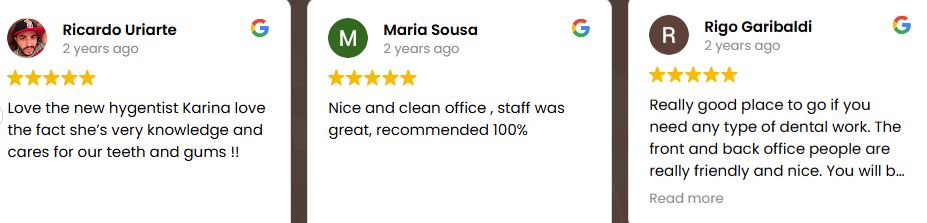
Dr. Shayegan, DMD, FICOI, provides gentle dental care for children and families. Desert Lake Family Dentistry also lists a 4.8-star Google rating from more than 380 reviews on its pediatric dentistry page.
To schedule your child’s first dental visit in Avondale, call Desert Lake Family Dentistry at 623-388-5888.
FAQs
A child should first see the dentist by age one or within six months after the first tooth appears. This helps prevent cavities and check oral growth early.