

Most people have heard the same rule for years. Get your teeth cleaned every 6 months, or twice a year. It sounds simple, but plenty of people wonder if that number is really right for them. How often should you get your teeth cleaned?
The honest answer depends on your own risk factors, not just a calendar reminder. In this blog, we talk about the dental cleaning frequency, followed by the details that help you figure out where you fall.
Table of Contents
ToggleHow Often You Actually Need a Teeth Cleaning
Here is the short version, so you do not have to read the whole article to get a number.
- Standard Schedule: Most adults with good oral hygiene and low risk for gum disease typically need a professional cleaning every six months.
- Frequent Cleanings: People with gum disease, diabetes, a weakened immune system, or heavy tartar buildup often need a cleaning every three to four months.
- Less Common: Some adults with strong dental health and no underlying risk factors may only need one cleaning a year, though this fits fewer people than the six-month schedule.
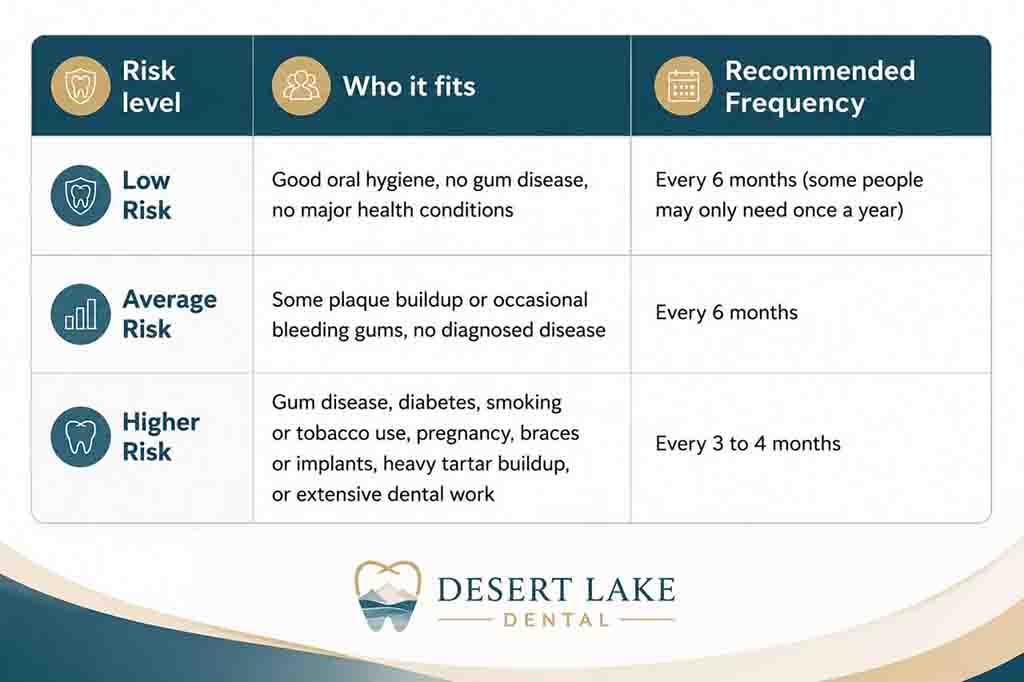
Some people disagree on this dental cleaning frequency. Online, including in dental discussion boards, plenty of people say once a year is enough if you have strong teeth and no risk factors (Northpoint Smiles; Brookwood Dental Center). Most hygienists and dentists still say otherwise for anyone with active gum disease or a health condition like diabetes. They recommend more frequent visits, not fewer. Only your dentist or hygienist can set your exact dental exams and teeth cleaning schedule, since every mouth is different.
Signs That You Need a Dental Cleaning
Your mouth often gives warning signs before a problem gets worse. Here are a few to watch for:
- Bleeding gums when you brush or floss
- Bad breath that does not go away after you brush
- Teeth that feel rough or look stained
- Red or swollen gums
- Tartar you can feel with your tongue near the gumline.
If any of these sound familiar, it may be time to book a cleaning rather than wait for your next reminder. Signs like these are also a good reminder to check your teeth cleaning frequency and see if it still fits your mouth.


Factors That Change How Often You Need a Dental Cleaning
A few health conditions and habits can push your schedule to every 3 or 4 months instead of 6. Here is what typically changes how often dental cleanings are needed:
- Gum Disease: Active infection under the gumline often means closer monitoring and more frequent cleanings.
- Smoking or Tobacco Use: Tobacco slows healing and raises the risk of gum disease, so shorter cleaning intervals can help catch problems early.
- Diabetes: High blood sugar can make gum infections harder to fight off, so many dentists recommend a shorter interval.
- Pregnancy: Hormone changes during pregnancy can make gums more sensitive and prone to inflammation.
- Braces or Dental Implants: Both trap extra plaque in places a toothbrush can miss, so cleanings often happen more often while you have them.
- History of Cavities or Heavy Tartar Buildup: Frequent decay or fast tartar buildup usually points to a shorter cleaning interval.
- Dry Mouth: Less saliva means less natural protection against plaque and decay.
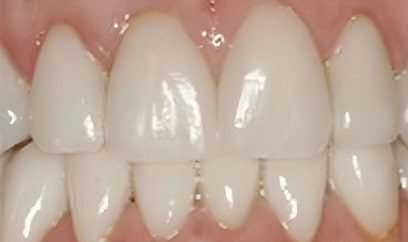
- Crowns, Bridges, or Other Extensive Dental Work: Plaque tends to build up more around dental crown margins and bridge pontics, so these patients often need more frequent cleanings to protect the work already done.
None of these factors guarantee a set number of routine dental cleaning visits. They are simply what your dentist weighs when he or she sets your personal schedule.
What Happens During a Cleaning (and How Long It Takes)
A typical dental cleaning procedure includes a few steps:
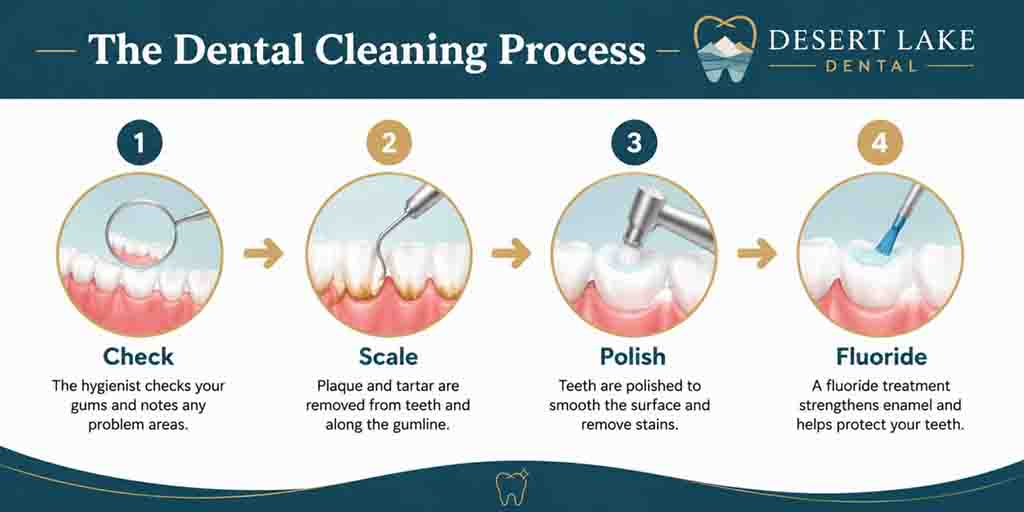
They mostly take thirty to sixty minutes, depending on how much buildup is present and whether x-rays or an exam happen at the same visit.
How Often Should You Get a Deep Cleaning?
A deep cleaning, also called scaling and root planing, differs from a routine cleaning. It targets plaque and tartar below the gumline and is typically recommended once gum disease has already started, not on a fixed schedule like a regular dental cleaning.
Most people only need one round of deep cleaning to help bring gum disease under control, though some may need it repeated, often once every 12 to 24 months, if the disease returns. After a deep cleaning, your dentist may suggest closer follow-up visits, often every 3 to 4 months, to keep the infection from coming back. Ask your dentist whether a deep cleaning applies to your situation.
Is My Insurance Coverage the Same as My Clinical Need?
Most dental insurance plans cover two cleanings a year. That number is a coverage limit set by the insurance plan, not a clinical recommendation from a dentist, and it does not always match how often to get your teeth cleaned based on your own health.
If your dentist recommends a cleaning every three or four months because of gum disease or another health condition, the extra visits may not be fully covered. That is a normal, common situation, not a sign something went wrong.
What Happens If You Skip Cleanings?
Skipping a cleaning once in a while will not undo years of good habits. But a pattern of skipped visits lets plaque harden into tartar that a toothbrush cannot remove. Over time, this can lead to gum inflammation, cavities, and, in more advanced cases, gum recession and bone loss around the teeth.
Catching these changes early is usually far simpler and more comfortable than treating them later. Your dentist can tell you exactly where you stand at your next visit, without guesswork.
How to Care for Your Teeth Between Cleanings
Good home care between visits protects the progress each cleaning gives you. A few habits go a long way:
- Brush twice a day for two minutes with a fluoride toothpaste.
- Floss once a day to clear plaque from between teeth, where a brush cannot reach.
- Rinse with an antibacterial or fluoride mouthwash if your dentist recommends one.
- Drink plenty of water throughout the day, especially after meals, to rinse away food particles.
- Replace your toothbrush every three to four months, or sooner if the bristles fray.
The Bottom Line
So how often should you get your teeth cleaned? Most people do fine on the standard six-month schedule, but gum disease, certain health conditions, tobacco use, and even the type of dental work in your mouth can shorten that frequency. The most reliable way to know your real number is a conversation with a dentist who can check your gums, teeth, and health history in person.
At Desert Lake Family Dentistry, our team works with patients to find the cleaning schedule that fits their own situation, whether that is the standard six months or something more frequent. If you are not sure where you fall, call our dental office and ask our team directly before you book.
FAQs
Every six months, for most adults. Every three to four months if you have gum disease, diabetes, or heavy tartar buildup. Your dentist confirms your exact interval after an exam.
A few months past your usual date is unlikely to cause harm. Past about a year, plaque hardens into tartar a toothbrush cannot remove, which raises your risk of gum disease and cavities.
It adds cost without a clear benefit. Your dentist can tell you the interval that matches your risk level.
Only if your dentist recommends it, usually for active gum disease, diabetes, or heavy tartar buildup, most adults need it twice a year.
More often than every six months, since braces trap plaque a toothbrush can miss. Your orthodontist or dentist sets the exact interval.
Yes. Cleaning more often than your dentist recommends does not usually add extra protection, and your dentist can tell you if there is an exception for your situation.
Thirty to sixty minutes, depending on plaque buildup and whether x-rays or an exam happen the same visit.
Every six months, same as most adults. Dry mouth, gum recession, or work like crowns and bridges can push that to more frequent visits.
Most people go to the dentist twice a year for a checkup and cleaning together. That number moves to every three to four months if you have gum disease, diabetes, or heavy tartar buildup.
X-ray frequency depends on your age, cavity risk, and dental history, so it does not always match your cleaning schedule. Our dental x-ray frequency guide has the details.