
Updated: 04/23/2026
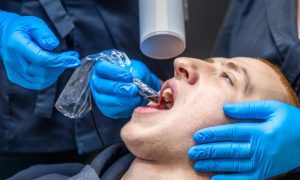
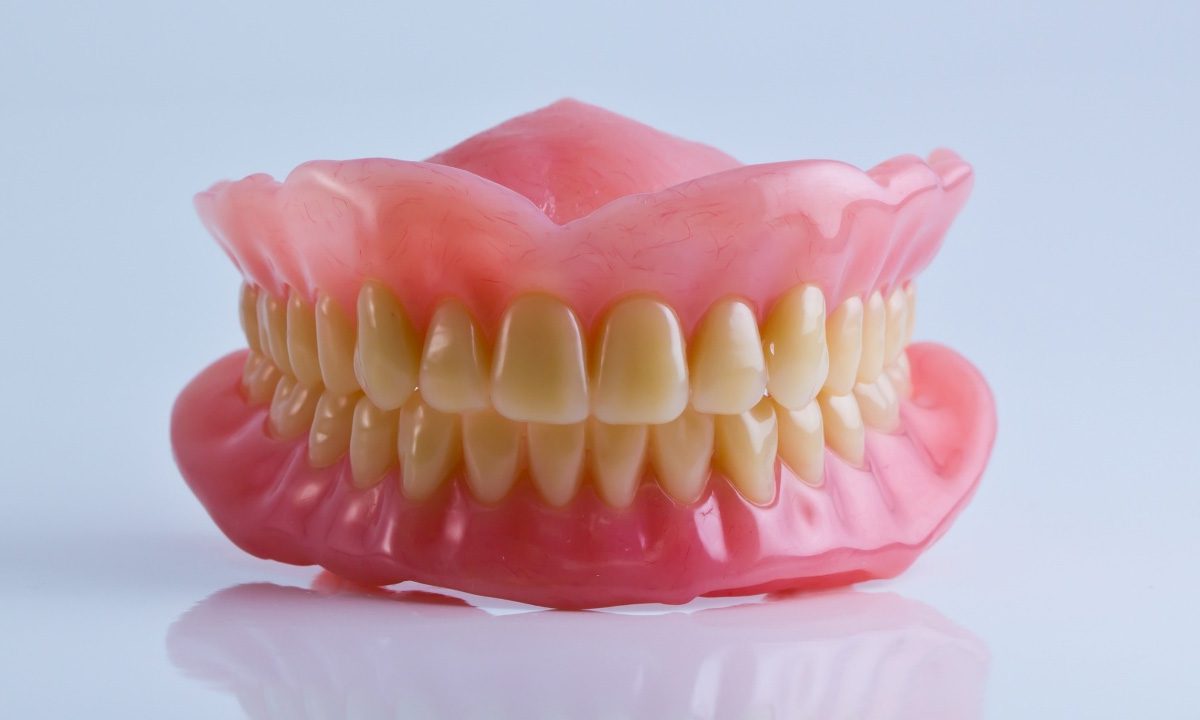
Final impressions are precise molds of your gums and soft tissues. Dentists use them to create custom-fitted complete dentures. They capture exact details to ensure your dentures fit securely, stay in place, and feel comfortable. The final impression for complete dentures are among the most crucial ones.
The process involves creating a precise mold of your gums and tissues. This way, the dentures are custom-made for comfort, functionality, and appearance. Join Desert Lake Family Dentistry in Avondale (rated 4.8 stars on Google) to learn the process and see why they matter.
Table of Contents
ToggleUnderstanding Final Impression for Complete Dentures
The final impression captures the exact shape of your gums, soft tissues, and surrounding structures in your mouth under natural conditions. Unlike the initial impression, which creates a basic outline for the custom tray fabrication, the final impression focuses on fine details. It records tissue displacement and the natural contours of your mouth to ensure a precise fit.
A good functional impression prevents slippage, sore spots, and poor denture base adaptation. Without accurate final impressions, your dentures won’t seal properly against your gums, leading to movement when you talk or chew. The precision of this step directly affects denture retention and your ability to eat comfortably.
How to Take Final Impression for Complete Denture?
Taking the final impression for complete dentures in Arizona requires precision and care to ensure a perfect fit. The final impression technique for complete dentures is also essential for capturing the precise anatomy of the gums and surrounding tissues. Here’s a breakdown of the steps involved:
- Our dentist checks that your gums and tissues are healthy and makes any necessary adjustments to the final impression tray.
- We apply impression compound to the tray’s edges for border molding. You move your lips, cheeks, and tongue naturally while the material sets. This step captures the functional movements of your mouth and creates a proper seal.
- We place the final impression material (usually zinc oxide eugenol or silicone rubber) in the tray and press it onto your gums. The dentist may use a mucostatic technique (minimal pressure) or mucocompressive technique (light pressure) depending on your tissue type.
- The material hardens in 2 to 5 minutes while you stay still.
- We gently remove the tray and send the mold to the lab for the final dentures.


What is the Best Impression Material for Complete Dentures?
The material used for the final impression for complete dentures is vital to getting a perfect fit. The most commonly used impression materials include:
- Alginate: Fast‑setting; used only for preliminary impressions. Captures a basic outline of the mouth, not fine detail.
- Zinc Oxide Eugenol (ZOE): The gold standard for final impressions. Gives excellent detail, flows smoothly into tissue contours, and is preferred for the wash impression step.
- Silicone Rubber: Highly precise and comfortable. Available in light‑, medium‑, and heavy‑body forms; ideal for patients sensitive to ZOE.
- Polyether: Very accurate and rigid; captures fine details in complex cases. More stiff than silicone but extremely precise.
Silicone rubber is often the preferred choice because it provides excellent detail and comfort during the complete denture final impression process.
How Many Impressions are Needed for Dentures?
You typically need two impressions for complete dentures:
- The preliminary impression is a rough draft of your mouth used for custom tray fabrication. It’s taken with alginate in a stock tray.
- The final impression captures the intricate details of your gums and surrounding tissues to ensure the dentures fit perfectly. It’s taken with zinc oxide eugenol or silicone in a custom tray.
If the final impression doesn’t capture enough detail or gets distorted, your dentist may need to retake it. This ensures the best possible fit.
How Long Does the Final Impression Take?
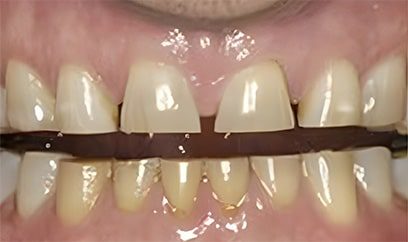
The appointment to take a final impression for complete dentures takes 15 to 30 minutes from start to finish. Border molding takes about 5 to 10 minutes, and the impression material sets in 2 to 5 minutes. You’ll need to sit still while the material hardens to avoid distortion. After the impression is complete, the mold is sent to the lab, and your final dentures are ready in 1 to 2 weeks.
What is the Next Step after Impressions for Dentures?
After taking the final impression for complete dentures, the next steps respectively help create dentures that fit well and function properly. Here’s what happens next:
- To create a wax model, the impressions are sent to a lab as a prototype matching your gums and mouth structure.
- You try on the wax model to check the fit, alignment, and bite. The dentist in Avondale ensures it’s comfortable, and you can see how the dentures will look.
- Possible adjustments are made to the model for better comfort and functionality, including changes to height, bite, or fit.
- If approved, the final dentures are made from durable materials like acrylic or porcelain.
- At your final appointment, the permanent dentures are fitted, with minor adjustments made if necessary.
Final Impression for Partial Denture
The process of final impressions for partial dentures is very similar to that of complete dentures. However, for partials, the impression also includes the surrounding natural teeth. This ensures the partial dentures blend in seamlessly with your natural teeth and don’t put excess pressure on them. The same border molding and impression materials are used.
What If the Final Impression Doesn’t Work?
Sometimes the final impression needs to be retaken. Common reasons include gagging during the impression, material distortion from movement, or incomplete border molding. If you have a strong gag reflex, your dentist can use a smaller tray, apply numbing spray, or have you breathe through your nose to reduce discomfort. Most patients experience little to no discomfort during the process because the materials are soft and the technique is gentle.
Conclusion
Getting an accurate final impression for complete dentures makes your dentures feel natural, stable, and comfortable in the end. The right materials and carefully planned steps help your dentist capture the exact shape of your mouth for a natural, secure result.
For precise, comfortable denture care, Desert Lake Family Dentistry in Avondale is here to help. With Dr. Shayegan’s 25+ years of experience, you’ll receive expert guidance and a careful, detail‑focused impression process.
Call 623‑388‑5888 or visit 10750 W McDowell Rd, Suite B200, Avondale to start your path to dentures that look natural and feel great every day.
FAQs
Can denture impressions work for a single implant?
No, denture impressions can’t be used for a single tooth implant. Implants need more precise impressions for an accurate fit.
How do you make a good final impression?
A good final impression is made by using high-quality materials and ensuring the patient’s gums are in the right condition.
Can dentures be made without an impression?
No, impressions are essential to ensure a custom fit. Without impressions, the dentures would not sit properly on the gums.
Does it hurt to get impressions for dentures?
Most patients experience little to no discomfort. The materials used are soft, and the process is gentle.
What if I gag during denture impressions?
Your dentist can use a smaller tray, apply numbing spray, or have you breathe through your nose to reduce gagging.