
Updated: 04/23/2026
A dental crown is a common treatment dentists use to restore damaged or weakened teeth. Crowns cover the entire visible portion of a tooth and protect it from further damage. They also improve the tooth’s strength, shape, and appearance. Dental crown preparation is the process dentists also use to reshape the tooth and prepare it for the crown.
Many patients want to know what happens during the preparation of a dental crown, how long it takes, and whether it hurts. Join Desert Lake Family Dentistry in Avondale, AZ (rated 4.8 stars on Google) to understand the crown preparation process can help you feel more comfortable before your appointment.
Table of Contents
ToggleWhat Is Dental Crown Preparation?
Dental crown preparation is the process of reshaping a tooth so a crown can fit securely over it. During this procedure, the dentist removes a small amount of the tooth’s outer structure to create enough space for the crown material.
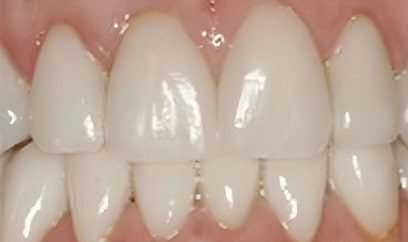
The goal of tooth preparation for a crown is to allow the final crown to fit properly and align with nearby teeth. A properly prepared tooth allows the permanent crown to restore strength, protect the tooth, and provide a natural appearance.
The preparation procedure is part of restorative dentistry and is commonly used to repair teeth that are damaged, decayed, or weakened.
Step by Step Dental Crown Preparation Process
The preparation procedure for a crown involves several steps. Your Avondale dentist carefully prepares the tooth and ensures the crown fits comfortably and functions properly.
Initial Dental Examination
The first step in the dental crown procedure is a complete dental exam. Your dentist evaluates the tooth and surrounding tissues to determine whether a crown is the best treatment.
During this visit the dentist may:
- Examine the tooth for cracks, decay, or damage.
- Evaluate the health of the gums.
- Check bite alignment and tooth position.
- Take dental X-rays to assess the root and surrounding bone.
- Determine if a root canal is needed before placing the dental crown in Avondale.
- Discuss crown material options such as ceramic, porcelain, or zirconia.
You need a proper dental and oral diagnosis to help you ensure the crown will function correctly and last longer.


Numbing the Tooth
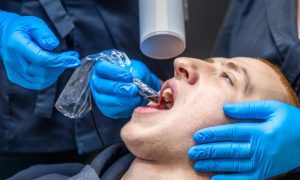
Before dental crown preparation begins, your dentist uses local anesthesia to numb the tooth and surrounding gum tissue. This helps prevent discomfort during the procedure.
Common local anesthetics include:
- Lidocaine (often with epinephrine to help it last longer and reduce bleeding)
- Articaine (also commonly used for dental procedures, sometimes with epinephrine)
Most people feel pressure during the procedure, but not pain. The numbness usually wears off after a few hours.
Tooth Reshaping
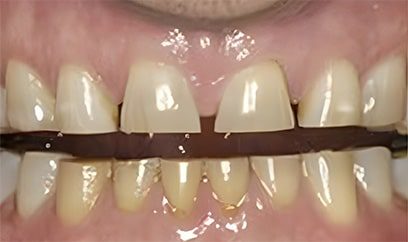
Tooth reshaping is one of the most important steps in crown preparation. Your dentist removes a thin layer of enamel from the outer surface of the tooth. This creates space for the crown so it does not look bulky or interfere with the bite.
The amount of tooth removed depends on the crown material. For example:
- Porcelain crowns require more space
- Zirconia crowns may require slightly less reduction
- Metal crowns require the least tooth removal
If the tooth has extensive decay or damage, the dentist may build up part of the tooth with filling material before shaping it. This step ensures the final crown fits securely and aligns properly with surrounding teeth.
Digital Scans or Dental Impressions
After the tooth is reshaped, your dentist takes a detailed impression of the prepared tooth. This can be done using two methods:
- Traditional dental impression. It is a soft dental putty is placed in a tray and pressed over the teeth to capture the exact shape.
- Digital impression using an intraoral scanner. A small camera scans the teeth and creates a precise 3D model on a computer.
Digital impressions are becoming more common because they are faster and more comfortable for patients.
Your dentist may also record your bite and choose a shade that matches your natural teeth. These impressions or digital scans are used to design the permanent crown.
Temporary Crown Placement
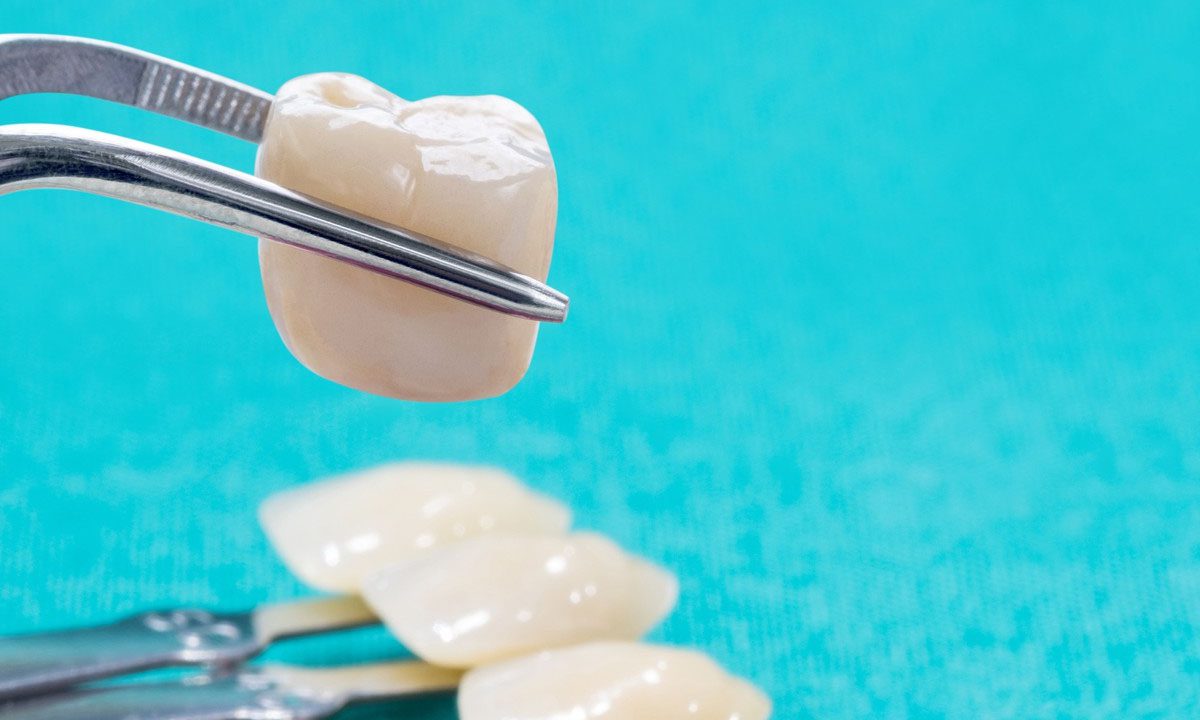
After impressions are taken, your dentist places a temporary crown over the prepared tooth. Temporary crowns protect the tooth while the permanent crown is being made in the dental lab.
Temporary crowns help:
- Protect the exposed tooth.
- Reduce sensitivity.
- Maintain the tooth’s position.
- Allow normal chewing and speaking.
Temporary crowns are usually made from acrylic or composite materials. They are not as strong as permanent crowns, so patients must take extra care while wearing them.
Fabrication of the Permanent Crown
This is a key part of the dental crown preparation. The impressions or digital scans are sent to a dental laboratory where technicians create the permanent crown. The lab designs the crown to match the size, shape, and color of surrounding teeth. The crown must also fit precisely over the prepared tooth. This process typically takes one to two weeks.
Some dental clinics offer same day crowns using digital technology. In these cases the crown is designed and milled in the office during the same visit. The type of crown material used can affect the fabrication process and treatment time.
Permanent Crown Fitting
Once the crown is ready, the patient returns for a second appointment. Your dentist removes the temporary crown and cleans the tooth. The permanent crown is then placed on the tooth to test the fit.
During this step the dentist checks:
- Crown fit and margins
- Tooth color match
- Bite alignment
- Comfort during chewing
You may need to visit your trusted dental clinic in Avondale again for minor adjustments ensure the crown fits perfectly.
Cementing the Crown
After confirming the fit, the dentist permanently bonds the crown to the tooth using dental cement. The crown is placed over the tooth and the cement secures it in position. A special curing light may be used to harden the cement quickly. Your dentist removes excess cement and ensures the crown feels natural when biting.
Bite Adjustment and Final Polishing
After the crown is cemented, the dentist checks the bite again. If the crown feels slightly high, small adjustments may be made so the teeth come together properly. Proper bite alignment prevents discomfort and protects the crown from damage. Your dentist may polish the crown surface for a smooth finish.
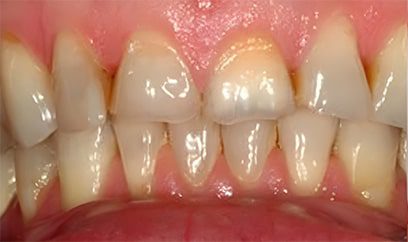
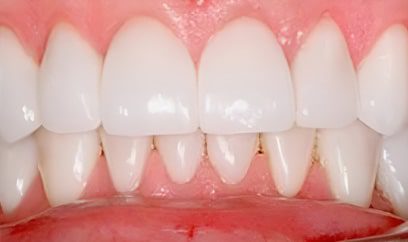
Types of Dental Crowns and Their Preparation
Dental crowns can be made from different materials. The best choice depends on where the tooth is, how strong it needs to be, and how it should look. Here’s a look at common dental crown preparations based on types:
Porcelain Crowns
These crowns match your natural tooth color, perfect for front teeth. To prepare the tooth, dentists remove a good amount of enamel. This gives space for the porcelain to be added while keeping the crown strong. The edges of the prepared tooth are made smooth and rounded.
Ceramic Crowns
Like porcelain, ceramic crowns look very natural and are strong, often used for teeth people can see. Preparing the tooth for a ceramic crown involves careful, even reduction of tooth structure on all sides. Dentists ensure there are no sharp corners, which could cause the ceramic to break.
Zirconia Crowns
These are incredibly tough and resist cracking, making them ideal for back teeth that handle a lot of chewing force. Preparation for zirconia crowns aims to create a stable shape. Less tooth might need to be removed because zirconia is so strong. The preparation needs to be precise to ensure the crown fits perfectly.
Porcelain Fused to Metal (PFM) Crowns
These crowns have a metal base for strength, covered with porcelain for a natural look. Preparing the tooth for a PFM crown requires different approaches for different areas. More tooth is removed where porcelain will cover the metal, and sometimes less where only metal is visible. The dentist creates specific margins where the porcelain meets the tooth.
Metal Crowns
Made from gold or other metals, these are very strong and last a long time. However, they are less common now because of their color. Preparation for metal crowns is often conservative, meaning less tooth structure is removed. The shape is usually smooth and rounded, allowing for a precise fit.
Same-Day Crowns (CAD/CAM)
Some dentists can make these crowns in a single visit using digital technology. After preparing the tooth, it’s scanned. The crown is then designed and milled right there. The preparation for these crowns must be very precise so the digital scanner can capture it accurately, and the milled crown fits well.
Does Dental Crown Preparation Hurt?
Dental crown preparation is usually not painful because local anesthesia numbs the tooth and surrounding area. Most patients feel mild pressure during the procedure but not sharp pain.
After the numbness wears off, some patients may experience temporary sensitivity to hot or cold foods. This usually improves within a few days.
Over the counter pain medication may help if mild discomfort occurs. If pain continues for several days or becomes severe, patients should contact their dentist.
How Long Does Crown Preparation Take?
The crown preparation appointment typically lasts between 60 and 90 minutes. The full dental crown procedure timeline depends on whether the crown is made in a lab or created in the office.
Typical timeline for lab made crowns:
- Initial examination and X rays about 20 to 30 minutes
- Tooth reshaping and crown preparation about 30 to 60 minutes
- Impressions and temporary crown placement about 15 to 30 minutes
- Dental lab fabrication about 1 to 2 weeks
- Final crown placement appointment about 30 minutes
Same day crowns can often be completed in one visit that lasts about two hours.
What to Expect After Crown Preparation
After dental crown preparation, it is normal to experience mild sensitivity or tenderness for a short time. You may notice:
- Mild sensitivity to hot or cold temperatures
- Slight gum soreness around the tooth
- Awareness of the temporary crown when chewing
These symptoms usually improve within a few days.
You should contact their Avondale dentist if they experience:
- Severe or persistent pain
- A loose or broken temporary crown
- Difficulty biting down
- Swelling or signs of infection
Follow up appointments ensure the crown fits properly and functions well.
How to Care for a Temporary Crown
Temporary crowns protect the prepared tooth until the permanent crown is ready. Proper care helps prevent damage or dislodgement. You should follow these guidelines:
- Avoid sticky foods such as caramel or chewing gum.
- Avoid very hard foods like ice or hard candy.
- Try to chew on the opposite side of the mouth.
- Brush gently around the temporary crown.
- Floss carefully to avoid pulling the crown off.
If a temporary crown becomes loose or falls out, contact the dentist as soon as possible.
What Can You Eat After Dental Crown Preparation?
Most patients can eat normally once the numbness from anesthesia wears off. However, caution is important while wearing a temporary crown.
Foods that are easier to eat include:
Soft fruits | Pasta | Eggs |
Yogurt | Soup | Rice |
Cooked vegetables | ||
Foods to avoid while wearing a temporary crown include:
Sticky candies | Hard nuts |
Ice | Hard candy |
Very chewy foods | |
These foods can damage or dislodge the temporary crown.
When to Contact Your Dentist after Your Preparation
Patients should contact their dentist if they notice any unusual symptoms after crown placement. Possible warning signs include:
- Persistent tooth pain
- Swelling or infection
- A loose crown
- A crown that feels too high when biting
- Sensitivity that does not improve
- Damage or cracking of the crown
Let’s Recap
Dental crown preparation is a routine procedure used to restore damaged or weakened teeth. The process includes examining the tooth, reshaping it, taking impressions or digital scans, placing a temporary crown, and fitting the permanent crown.
At Desert Lake Family Dentistry in Avondale, AZ, Dr. Shayegan, DMD, FICOI, has over 25 years of experience and leads a straightforward, unhurried team that focuses on your long-term oral health. We’ll walk you through each crown option, explain how much tooth needs to be prepared, and make sure you feel comfortable and informed before we begin.
Join our patients who trust us for their crown preparation and restorative care. Visit us at 10750 W McDowell Rd, Suite B200, Avondale, or call 623 388 5888 to book your appointment and get started on a well-prepared, long-lasting crown today.
FAQs
Dental crown preparation is usually comfortable because the dentist numbs the area with local anesthesia. Most patients feel pressure during the procedure but not pain. Some mild sensitivity may occur after the numbness wears off.
A small amount of the outer tooth structure is removed to create space for the crown. The exact amount depends on the crown material and the condition of the tooth.
No. Many crowns are placed on teeth that do not require a root canal. A root canal is only necessary if the tooth pulp is infected or severely damaged.
Temporary crowns are designed to last until the permanent crown is ready. This is usually one to two weeks. Patients should follow care instructions to prevent damage.
Yes. Once the numbness wears off, most patients can eat normally. However, it is best to avoid hard or sticky foods while wearing a temporary crown.
If a temporary crown falls off, contact your dentist as soon as possible. The tooth should remain protected to prevent sensitivity or damage.