
You just left the dentist with a strange new tooth in your mouth, which your dentist told you is temporary and you are wondering about the difference between temporary crown vs permanent crown.
A temporary crown covers and guards a prepared tooth for a few weeks while a lab builds your permanent crown. The temporary piece uses soft material and weak cement, so a dentist can remove it with ease. The permanent crown uses strong material and firm cement, and it can last ten years or more (ADA).
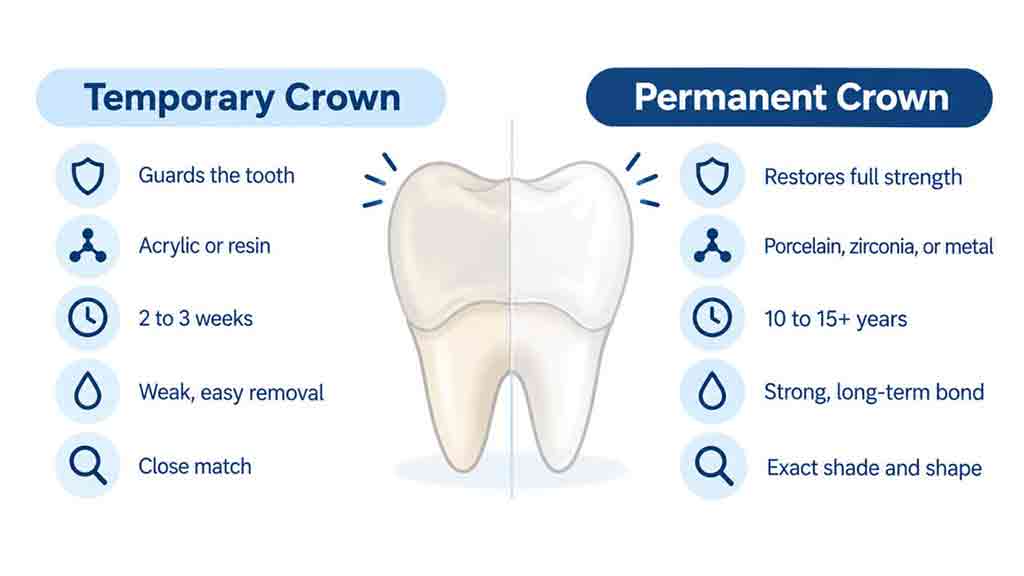
Table of Contents
ToggleWhat is a Temporary Crown?
A temporary tooth cap or crown is a short-term cover for a tooth in the middle of treatment, such as after a root canal or before a permanent crown arrives from the lab. It guards the tooth and keeps the teeth next to it in place. A dentist makes most temporary crowns right in the office from acrylic or composite resin, then trims and cements the piece so it feels reasonable, even though it is not the final result.
Purpose of a temporary crown:
- Guards the sensitive tooth from pain and cold
- Keeps a normal bite and look during the wait
- Keeps the teeth next to it steady, so they do not shift
- Lets the dentist check your bite before the permanent crown goes in
What is a Permanent Crown?
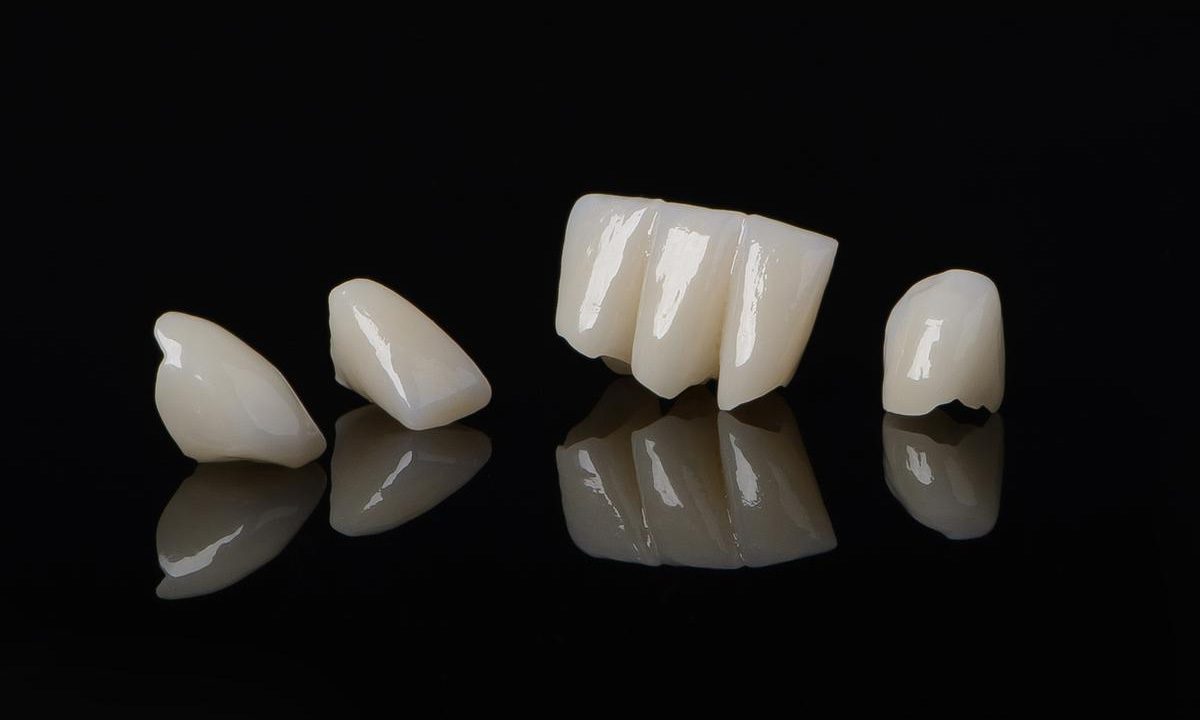
A permanent tooth cap or crown is the long-term fix that replaces the temporary one. Dentists most often use porcelain for crowns, though zirconia, a mix of porcelain and metal, or gold alloy works too, based on the tooth and your own choice.
To make one, the dentist preps the tooth and takes a mold or a digital scan. A lab uses that mold to build a crown that matches your tooth exactly. Once it comes back, the dentist checks the fit and color, then cements it in place with a strong, long-term bond.
Benefits of a permanent crown:
- Lasts about ten to fifteen years with normal care (ADA)
- Stands up to the force of a normal bite, day and night
- Looks natural, most of all in porcelain or zirconia
- Fits your bite and tooth shape with a close match


Key Differences Between Temporary Crowns and Permanent Crowns
Category | Temporary Crown | Permanent Crown |
Purpose | Guards the tooth while you wait | Restores full bite strength and look for years |
Material | Soft acrylic or composite resin | Strong porcelain, zirconia, or metal |
Lifespan | About two to three weeks | Ten to fifteen years or more (ADA) |
Cement | Weak cement for an easy removal | Strong cement for a bond that holds |
Diet | Best to avoid hard or sticky food | Normal diet once the crown is set |
Look and fit | Close match, not a final result | Matched in shade and shape to nearby teeth |
Risks | May crack, loosen, or irritate the gum if worn too long | Rare short-term risk; may need a small bite adjustment |
Typical cost | Lower one-time cost | Higher cost, tied to lab work and material |
Both crowns work as one plan, not two separate choices. Temporary dental crowns hold the space and guard the tooth, while the permanent tooth crowns finish the job.
A Note on a Front Tooth: A temporary crown there gets shaped and polished so it looks fair for a few weeks, but it is not shade-matched for the long run. The permanent crown, on the other hand, gets matched in color and shape to the teeth beside it, so it blends in and lasts.
The Switch From a Temporary Crown to a Permanent Crown
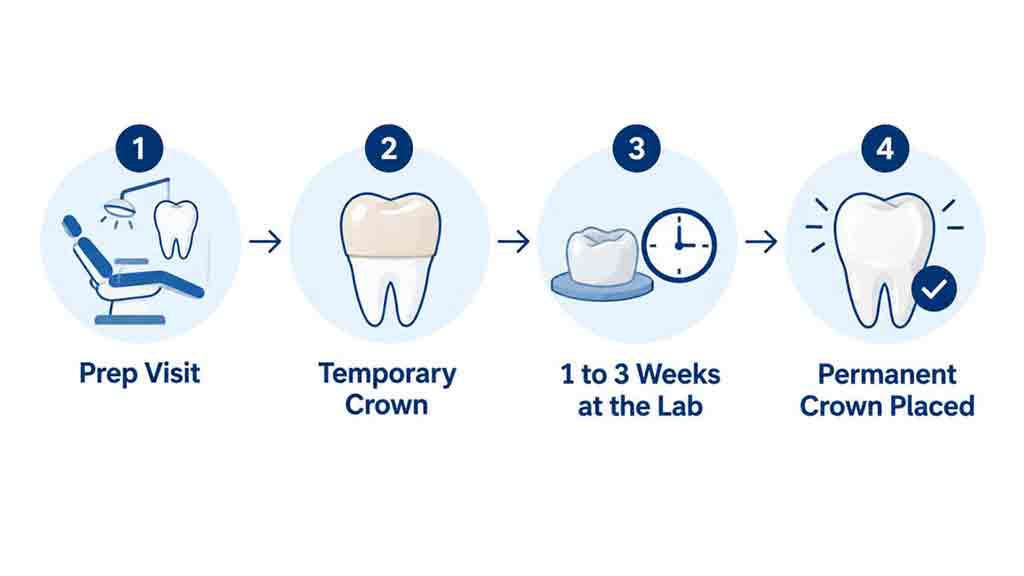
The move from temporary caps for teeth to permanent ones takes two visits, not one. Here is what happens at each stop along the way.
What to Expect During Temporary Crown Placement
During the temporary crown placement, treatment on the tooth is already done, whether that means a root canal, a large filling repair, or a crack repair. The dentist takes a mold or a digital scan and sends it to a lab to build the permanent crown. In that same visit, the dentist shapes and cements a temporary crown in place with a weak cement made to come off with ease later. Most temporary crowns hold for about two to three weeks, though the exact time depends on your case and the lab schedule.
What to Expect During Permanent Crown Placement
During the permanent crown placement, you return for a short visit once the crown comes back from the lab. The dentist removes the temporary crown, checks the fit and color of the new one, adjusts it if needed, and cements it in place with a strong, long-term bond. Most patients feel a firmer bite right away, compared with the temporary crown.
If you want more detail on the first visit itself, our crown preparation guide walks through what happens step by step.
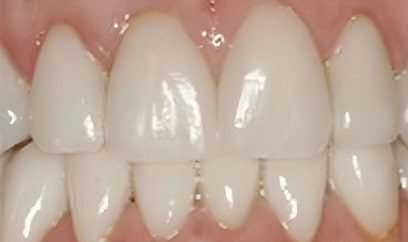
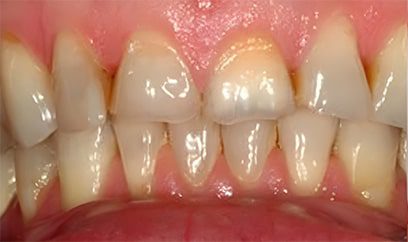
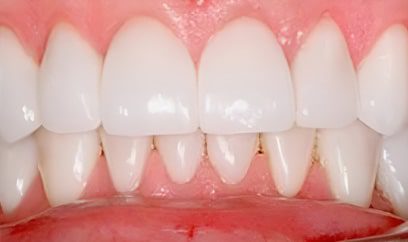
Is a Temporary Crown the Same Size as a Permanent Crown?
Not exactly, though the two come close. The dentist shapes the temporary crown to a reasonable size and bite, so it feels close to normal for the few weeks you wear it. The permanent crown, on the other hand, gets built from a mold or digital scan of your prepared tooth, so the lab matches its size and shape to your bite with far more precision. The temporary crown gives you a rough approximation. The permanent crown gives you the exact fit.
How Long Between the Temporary and the Permanent Crown?
Most patients wear a temporary crown for 1 to 3 weeks while the lab builds the permanent one. The wait can run longer in some cases, such as when an insurance approval takes time or when the lab needs extra time to match a tricky tooth shade.
Skip the Wait with Same-Day CEREC Crowns
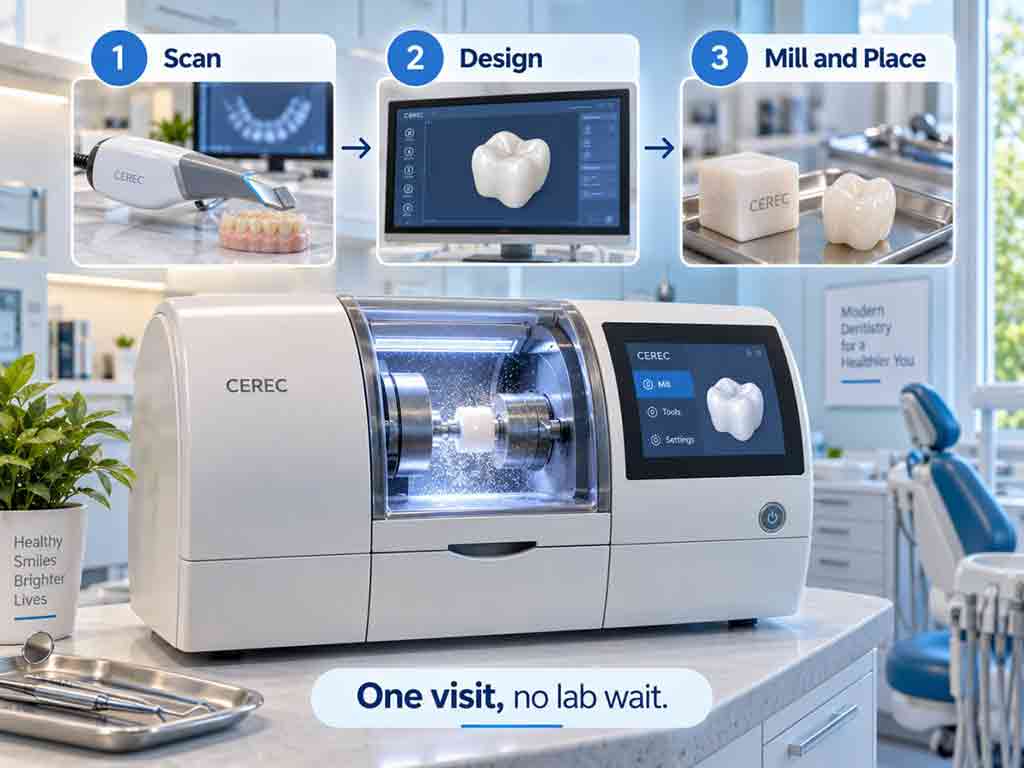
Not every patient needs to wear a temporary crown. With a same-day CEREC crown, the dentist scans, mills, and places a full permanent crown in a single visit, with no lab wait and no temporary crown in between.
A same-day crown skips the temporary stage, and most of its downsides along with it: no weeks of care around a fragile piece, less worry about a crack or a loose fit before the final crown is in, and no second visit to book. You leave that same day with the real, final crown already in place.
When you compare a same-day crown vs temporary crown, the choice often comes down to whether the case allows a one-visit crown. This option does not fit every case. Your dentist checks your tooth, bite, and treatment plan first to confirm if same-day is a fit for you.
Temporary Crown vs Permanent Crown Cost and Insurance
Crown cost varies with the material, the lab, and your own case, so one fixed number will not tell the full story. As a general guide, a crown can cost between $800 and $1,500 per tooth (Medical News Today).
The temporary crown costs less up front, but it is a short-term piece, not a final fix. Your dentist confirms your exact cost at your visit, once he or she reviews your tooth and treatment plan.
Does insurance cover a dental crown in full? Usually not. Most dental plans pay for only part of the total, so check your own plan for the exact split. Between the two options, the permanent crown carries the higher cost overall, since it needs lab work, a custom mold, and a stronger material built to last for years.
Temporary vs Permanent Crown: How to Care for Them
Each type of crown needs its own kind of care. Here are a few tips to care for your temporary crown to avoid dental crown sensitivity:
- Skip hard, sticky, or chewy food on that side.
- Floss with care; pull the floss out to the side, not straight up.
- Brush as normal, but stay gentle near the gum line.
- Call the dentist if the crown feels loose or falls off.
Once your permanent crown is in place, care gets simpler. Here are a few tips to care for your permanent crown:
- Brush and floss it like any other tooth.
- Eat a normal diet once the cement fully sets.
- Keep up with regular checkups so the dentist can watch the fit over time.
- Wear a night guard if you grind your teeth, since it guards the crown too.
Let’s Recap
So, what is the difference between a temporary crown and a permanent crown? A temporary crown is a short-term cover, made from soft material and weak cement, built to guard the tooth for a few weeks. A permanent crown is the long-term fix, made from strong material and firm cement, and it can serve you for ten years or more. One holds the space. The other finishes the job.
This guide gives general information only. It does not replace a real exam from a dentist, and it does not diagnose or treat any condition.
Book Your Crown Visit
Dr. Shayegan, DMD, FICOI, at Desert Lake Family & Cosmetic Dentistry places both temporary and permanent crowns, often after a root canal or an implant, right here in Avondale. He also offers same-day CEREC crowns for patients who prefer to skip the temporary stage. Whether you need a routine crown, a same-day appointment, or a fast fix for a crown that came loose, our team is ready to walk you through your options. Call 623-388-5888 to book your visit online.
Frequently Asked Questions
Are permanent crowns better and more comfortable than temporary crowns?
In most cases, yes. A permanent crown fits your bite with a close, custom match, so it often feels more solid than a temporary crown. It also stands up to daily bite force and lasts for years, while a temporary crown stays in place for only a few weeks.
Is $2,000 a lot for a dental crown?
A crown price depends on the material, the lab, and the case, so $2,000 sits within a normal range for some crown types. Ask your dentist for a cost estimate before treatment starts, and check with your insurance plan to see what part of the cost it covers.
What should I do if my temporary crown falls off?
Stay calm and keep the piece if you can find it. Avoid hard food on that side, and call your emergency dentist soon so the crown can go back in place before the prepared tooth loses its cover.
How long after a temporary crown is cemented can I eat?
Most dentists advise a short wait of about an hour, so the cement has time to set fully. After that, choose soft food and avoid hard or sticky items on that side until the permanent crown goes in.
Can you skip getting a temporary crown?
In some cases, yes. A same-day CEREC crown skips the temporary stage, since the dentist mills and places the final crown in one visit. Not every case fits this option, so your dentist checks your tooth and treatment plan first.
Are permanent crowns stronger than temporary crowns?
Yes. Permanent crowns use porcelain, zirconia, or metal, and all three stand up to daily bite force far better than the acrylic or resin used in a temporary crown.
Do permanent crowns fit better than temporary crowns?
Yes, since a lab builds each permanent crown from a mold or scan of your own tooth. A temporary crown gets shaped quickly in the office, so the fit is close but not exact.
How long should a temporary crown stay in place before the permanent one is fitted?
Most patients wear a temporary crown for one to three weeks, though the wait can run longer if the lab needs extra time or if an insurance approval takes a while.
What risks come with a temporary crown left in place too long?
A temporary crown left in place past its normal span can crack, come loose, or irritate the gum line. The tooth under it also stays without a full, long-term cover during that extra time.