

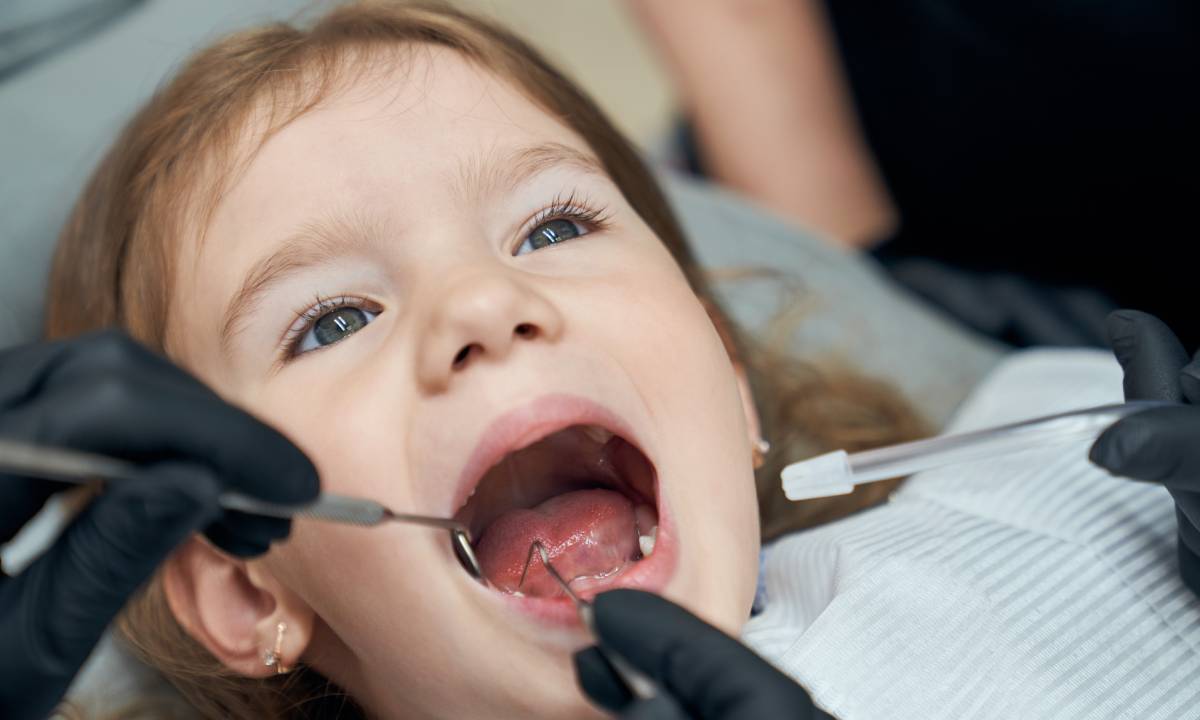
Many parents believe baby teeth do not matter because they fall out. As a result, they may ignore small cavities in these teeth. What starts as a tiny spot can turn into pain and infection in a short time. Baby teeth hold space for adult teeth and support normal speech and chewing. When cavities damage them, the effects can last for years. Here, we tell you all about baby teeth and cavities so you can understand why early treatment is important.
Table of Contents
ToggleDo Baby Teeth Need Fillings?
Yes, baby teeth need fillings when they have cavities. A cavity is a hole in the tooth, and it will not fix itself. If the tooth will stay in the mouth for a year or more, treatment is usually the best choice. When dentists fill cavities in baby teeth, they remove the decay and stop the spread of infection. This protects the tooth, prevents pain, and keeps space open for the adult tooth that will come in later.
At Desert Lake Family Dentistry, Dr. Shayegan provides gentle and precise care for children of all ages. Our practice is proud to have over 300 Google reviews from families who trust us for quality dental care. If your child has a cavity or needs a checkup, come visit us and let our experienced dental team in Avondale protect your child’s smile with safe and reliable treatment.


Why Cavities Are More Concerning in Baby Teeth
Cavities are more concerning in baby teeth because they spread faster and create problems sooner than in adult teeth. Below are key facts that explain why:
- Baby teeth have thinner enamel than adult teeth, so decay moves through the tooth very quickly.
- Bacteria can reach the inner part of the tooth in a short time, which can lead to pain and infection.
- If treatment is delayed, decay can reach the nerve and cause swelling, abscess, or even fever.
- Infection in a baby tooth affects the adult tooth that develops underneath it.
- Early loss of a baby tooth causes nearby teeth to shift, which may lead to crooked permanent teeth later.
- Quick treatment protects your child’s comfort and supports healthy adult teeth.
What Kind of Fillings Do Children Receive?
Dentists choose the type of Avondale tooth filling based on how large and deep the cavity is. Each option helps fix the tooth and protect it in a different way. When dentists fill cavities in baby teeth, they select the treatment that best supports the child’s comfort and long term dental health. Below are the common types used for baby teeth:
| Treatment | Purpose and Benefit |
| Composite Filling | Tooth colored filling used for small to medium cavities that blends with the natural tooth and restores strength. |
| Glass Ionomer Filling | Filling that releases fluoride and helps protect the tooth from future decay, often used for young children. |
| Pulpotomy | Treatment used when decay reaches deep inside the tooth to remove infected tissue and save the tooth. |
| Stainless Steel Crown | Protective metal cap placed over a badly damaged tooth to keep it strong until it falls out naturally. |

The Dangers of Not Filling a Baby Tooth Cavity
When a cavity in a baby tooth does not receive treatment, the problem can spread and affect your child’s health. Decay often moves fast in children and can lead to serious dental issues. Below are the possible complications:
- Infection
- Tooth pain
- Sleep problems
- Difficulty eating
- Early tooth loss
- Tooth shifting
- Crooked permanent teeth
- Need for braces
- Emergency dental visits in Avondale
Do not wait until the problem becomes severe. Visit Desert Lake Family Dentistry for proper care. Dr. Shayegan and our team provide safe and gentle treatment to protect your child’s smile.
Final Thoughts
Baby teeth are important even though they do not last forever. They keep space open for adult teeth and help children speak and chew food properly. Dentists advise parents to fill cavities in baby teeth as soon as they see decay. Early treatment stops pain and infection before they become serious. When you act early, you protect your child’s comfort and future oral health.
FAQs
Fluoride may slow early enamel damage, but it cannot repair a true cavity. Once a hole forms, only professional dental treatment can restore the tooth.
A dentist evaluates the size and depth of the cavity before treatment. If decay forms a true hole, a filling usually provides the safest solution. Early care prevents pain and infection.
Yes, treatment protects the tooth and prevents infection. A filling stops decay and maintains space for permanent teeth. Early care also reduces the need for costly procedures later.
A dentist may remove a baby tooth if infection is severe or if the tooth cannot support restoration. Dentists avoid early extraction because baby teeth maintain proper spacing for adult teeth.