

Updated: 04/23/2026
If your implant bridge feels too high or too low, is there a problem with it? The answer is yes. A poorly fitted implant bridge can cause discomfort, speech issues, and bite misalignment. Fortunately, you can adjust them to restore function and comfort. Join Desert Lake Family Dentistry in Avondale (rated 4.8 stars on Google), to see how to fix implant bridge height.
Table of Contents
ToggleDoes the Implant Bridge Height Matter?
Yes, the height of your fixed implant bridges Avondale, Phoenix, matters! A bridge that sits too high can create pressure on your jaw. This pressure can lead to soreness, difficulty chewing, and even headaches. If it’s too low, your bite won’t align properly. It can strain your jaw muscles and damage surrounding teeth.
The minimum height of an implant abutment is around 4mm. The minimum height of an implant abutment is around 4mm. When it’s even a millimeter off, things start to feel wrong and you need to fix implant bridge height.
You might notice:
- Trouble chewing or biting
- Speech changes like clicking or lisping
- Jaw pain or TMJ discomfort
- Uneven tooth wear
- Food collecting under the bridge
- Slight changes to lip or cheek appearance
Signs Your Implant Bridge Height Is Wrong
How do you know if you need to fix implant bridge height?
Your bridge is too high if:
- You can’t close your teeth together normally
- Only your implant bridge touches when you bite
- You’re biting your cheek or tongue more often
- You have a lisp or trouble pronouncing certain words
- Your jaw hurts after eating
Your bridge is too low if:
- Your gums are irritated or bleeding
- Food gets trapped under the bridge constantly
- You have a “sunken” look around your mouth
- Your bite feels uneven on the other side


How to Fix My Implant Bridge Height?
Here’s what to expect when you want to fix implant bridge height:
- Your dentist checks how your bite fits together. They may use X‑rays or a 3D scan to see the bridge, abutments, and implant positioning.
- You’ll be asked about chewing problems, speech changes, pain, or bite discomfort. Your symptoms help determine whether the issue is minor or more serious.
- If the height is only slightly off, the dentist can make small adjustments. This might include reshaping the biting surface, adjusting opposing teeth, or refining the bridge material. All is done without removing the bridge.
- If the height problem is bigger, the dentist may remove the bridge and replace the abutments with different heights. This works only with screw‑retained bridges and lets them raise or lower the bridge without remaking it.
- If the height is far off or the bridge is cement‑retained, a full replacement may be needed. New impressions are taken, and a properly aligned bridge is made in the lab.
- Once the adjustment or replacement is done, your dentist checks your bite again. You’ll be asked to bite, move your jaw, and confirm that everything feels natural.
- The bridge is polished for comfort and to prevent irritation.
- A follow‑up visit ensures the bite is stable and that any remaining discomfort can be corrected with minor refinements.
Find Out More: Single Tooth Dental Implant
Can I Adjust My Implant Bridge at Home?
No. Don’t try this. You can’t safely fix implant bridge height yourself. You’ll damage the bridge, hurt your implants, or mess up your bite even worse. If your bridge feels wrong, call your Avondale dentist. They have the tools and training to fix it properly.
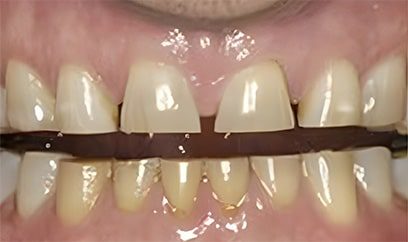
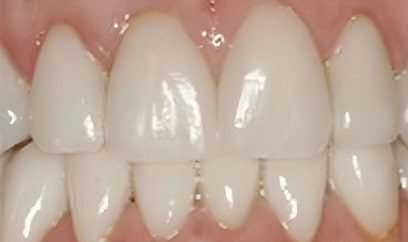
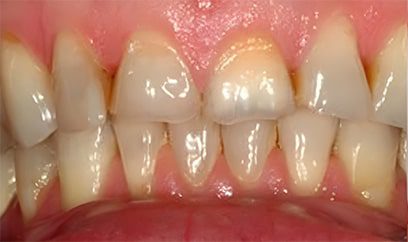
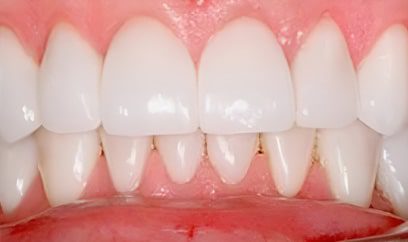
Adding Height to Dental Implant Bridge
If a bridge sits too low, a dentist can increase its height. This process involves adding material to the prosthetic teeth or modifying the abutments.
- Your dentist examines how much additional height is needed.
- They may add dental composite or porcelain to the bridge to bring it to the correct height.
- If needed, your dentist may replace the abutments with taller ones to support the new height.
- Finally, they test the new height to ensure proper alignment. If it feels off, additional adjustments can be made.
Adding height requires precision. Too much height can lead to pressure on the jaw, while too little won’t solve the problem. That’s why working with a top rated dentist is key.
How Long Does the Adjustment Take?
To fix implant bridge height, you can expect these time periods:
Type of Fix | Time Required | Notes |
Minor Adjustment | 30–60 minutes (single visit) | Fastest option; no bridge removal needed. |
Abutment Changes | 1–2 hours | Works only for screw‑retained bridges; a temporary may be needed if issues arise. |
Full Bridge Replacement | 4–8 weeks total | You’ll wear a temporary bridge during the process. |
Recovery | 1–2 days of mild soreness | Minimal healing; no major downtime. |
The Bottom Line
If the height of your dental implant bridge is off, it can lead to pain, bite problems, and even long-term damage. If it happens, you can fix implant bridge height with the right treatment. A quick visit to the dentist can resolve the issue and restore balance to your bite.
At Desert Lake Family Dentistry in Avondale, Dr. Shayegan, DMD, FICOI, uses over 25 years of implant experience to ensure your bridge fits comfortably, functions naturally, and supports long‑term oral health.
If you’re experiencing bite discomfort, chewing trouble, jaw soreness, or think your implant bridge may be too high or too low, call 623‑388‑5888 or visit us at 10750 W McDowell Rd, Suite B200, Avondale.
FAQs
What is the minimum height of implant abutment?
The minimum height of an implant abutment is usually around 4mm to provide enough stability for the bridge.
How much does it cost to adjust an implant bridge?
Minor adjustments cost $100−$300. Abutment changes run $500−$1,500. Full replacement costs $3,000−$8,000. Many dentists include adjustments in their warranty period.
Will insurance cover implant bridge height correction?
Usually not, unless there’s a documented defect. Check your original treatment warranty first. Many dentists cover adjustments within the first 1-2 years.
What’s the difference between adjusting screw-retained vs cemented bridges?
Screw-retained bridges can be removed and adjusted easily. Cemented bridges often need to be cut off and replaced. Always choose screw-retained if adjustments are a concern.
How do I know if my implant bridge is too high?
You can’t close your teeth normally, only the bridge touches when you bite, you’re biting your cheek often, or you have jaw pain after eating. If it feels wrong, it probably is.
What happens if I don’t fix my implant bridge height?
You’ll develop jaw pain, TMJ problems, uneven tooth wear, and possible implant failure from improper forces. Fix it sooner rather than later.